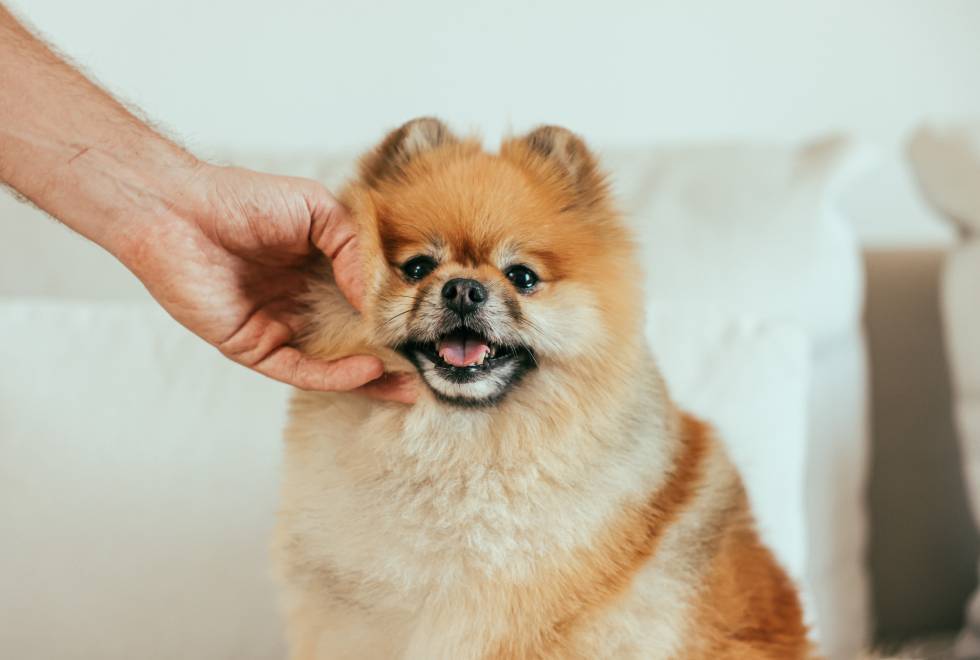
While it sounds like a fancy medical term, «canistherapy» is simply an alternative form of psychological support centered around human-dog interaction. To be precise, it’s less of a medical «cure» and more of a social and emotional rehabilitation method using specially trained dogs.
It’s no secret that pets have a massive influence on our mood. Picture this: you come home after a brutal day. Your boss was breathing down your neck, you were packed like a sardine on your commute, a reckless driver splashed mud all over your pants, and to top it off, the weather is miserable.
You walk through the door feeling completely drained and ready to snap at the first person you see. But then your cat graciously saunters over to let you pet him, or your dog bounces up to the door, downright thrilled just because you exist and you’re home. Fifteen minutes later, the stress starts to melt away. You don’t want to yell at the world anymore—you just want to sit back, pet your dog, and unwind.
We’ve recognized this healing connection for centuries. Back in 18th-century England, dogs were brought in to help comfort patients in mental health facilities. During World War II, doctors quietly allowed cats and dogs into military hospitals because they boosted the morale of wounded soldiers and sped up their emotional recovery.
However, the formal concept of canistherapy—and its recognition as a legitimate therapeutic technique—only took off about fifty years ago.
Dogs are natural-born therapists. They’re deeply expressive, intuitive, and remarkably skilled at picking up on human emotions. Plus, they give immediate, unconditional feedback. Therapy dogs are carefully selected and trained for this important work, but not based on breed, pedigree, or looks—there’s no doggy discrimination here! What truly matters is a stable nervous system, a calm demeanor, and a genuine love for people.
The therapeutic benefits work in a few different ways. Even just watching a dog can lower your stress levels, but hands-on, tactile interaction is where the real magic happens.
Where Canistherapy Makes a Difference:
1. Depression and Burnout
When you’re running on empty or feeling down, a dog gives you a sense of purpose. Knowing a living creature relies on you can be a lifeline when you’re feeling isolated.
Take Josie, for example. As a teenager, she struggled to make friends, and her closest companion was her massive, fluffy Alaskan Malamute named Chopin. Whenever she cried, he’d gently lick the tears from her face. When sadness hit, she’d fall asleep curled up next to her giant «teddy bear,» running her fingers through his thick coat. Confiding her daily worries to Chopin helped pull her through some of her darkest moments.
2. Post-Traumatic Stress (PTSD)
Rebuilding life after a traumatic event is incredibly tough. A companion dog provides silent, non-judgmental support that helps cushion painful memories.
Arthur, a military veteran, kept his combat experiences locked away after returning home. He couldn’t bring himself to open up to anyone—not even his therapist. Noticing his wall, his therapist suggested he try talking to his German Shepherd, Denver. At first, Arthur brushed it off as silly. But one night, overwhelmed by heavy emotions, he gave it a shot and opened up to Denver. The dog sat motionless, listening intently as if he understood every word. That night, for the first time in months, Arthur slept without nightmares.
3. Anxiety and Neurotic Disorders
Research shows that spending physical, tactile time with animals significantly lowers anxiety, reduces fear, and boosts overall emotional well-being.
4. Developmental and Physical Conditions
For individuals living with autism, cerebral palsy, or other complex conditions, animal-assisted therapy can be transformative. Dogs help build trust in the world, improve fine motor skills, ease muscle tension, and encourage social connection.
You don’t need a formal therapy program to experience these benefits—simply spending time with a friendly, loving animal can work wonders. If you have a dog at home, you already have a built-in therapist. Play fetch, go for a long walk, or just sit on the couch together. Dogs offer us complete, unconditional acceptance without expecting anything in return. And honestly, isn’t that something we could all use a little more of?
A New Community for Pet Lovers:
Speaking of the power of pets, the team behind Mindspa has created a brand-new community dedicated entirely to dog and cat lovers!
It’s called One Million Paws, and our goal is to build a massive digital mosaic featuring 1,000,000 pets from around the world. Head over to onemillionpaws.com to add your own fur baby to the collection, or browse the mosaic and give a virtual pet to the dogs and cats already there for an instant dopamine boost!